Engines / Pumpers
Primary structural firefighting apparatus — first on scene for structure fires and emergency response
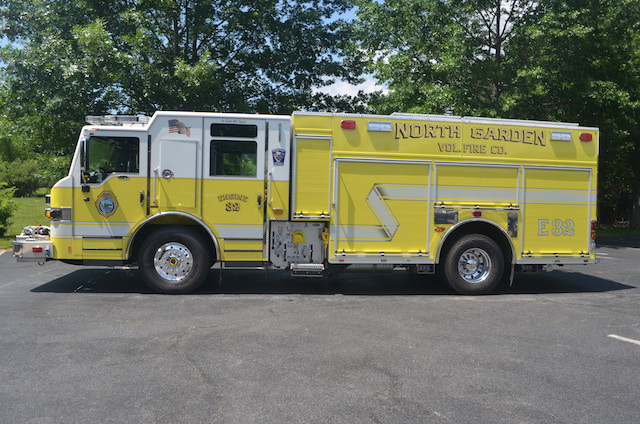
Engine 32
Pumper / EnginePrimary structural attack engine. Responds to structure fires, vehicle fires, and general emergency calls across the Station 3 response area.
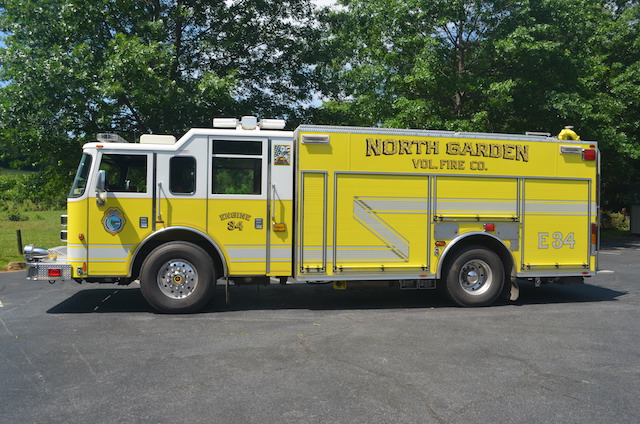
Engine 34
Pumper / EngineSecondary structural attack engine. Provides additional pumping capacity and crew for major incidents and mutual aid responses throughout Albemarle County.
Tankers / Tenders
Large-capacity water supply apparatus — essential for rural firefighting where hydrants are unavailable
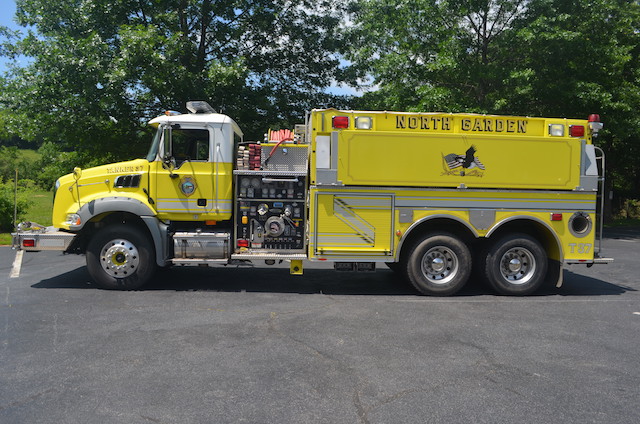
Tanker 37
Tanker / TenderHigh-capacity water tanker for rural firefighting operations where municipal water supply is not available. Supports engine operations via nurse tanker or portable dump tank.
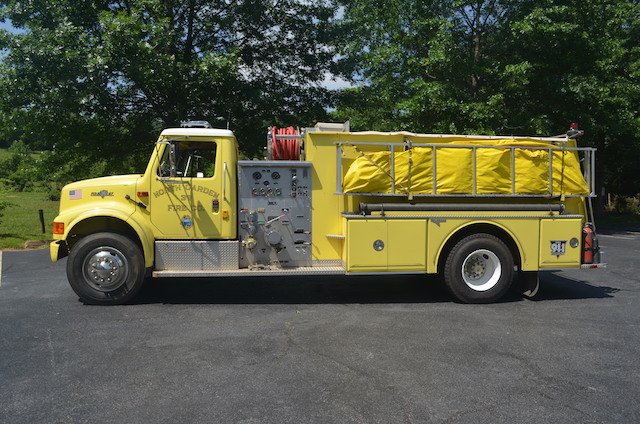
Tanker 39 *Retiring*
Tanker / TenderSecond water tanker providing additional water supply capacity for extended operations and large-scale incidents across the rural Station 3 coverage area.
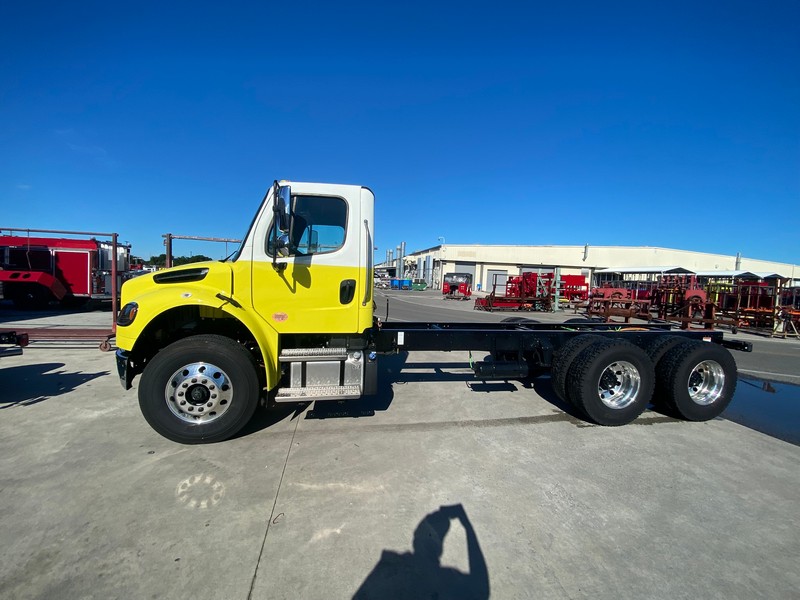
Tanker 39 *Pending*
Tanker / TenderNew Tanker 39 is currently being built by Atlantic Emergency Solutions. Follow the build and see more photos on the Trucks In Production page.
Brush Trucks
Off-road wildland firefighting vehicles — built for fields, forests, and terrain inaccessible to standard apparatus
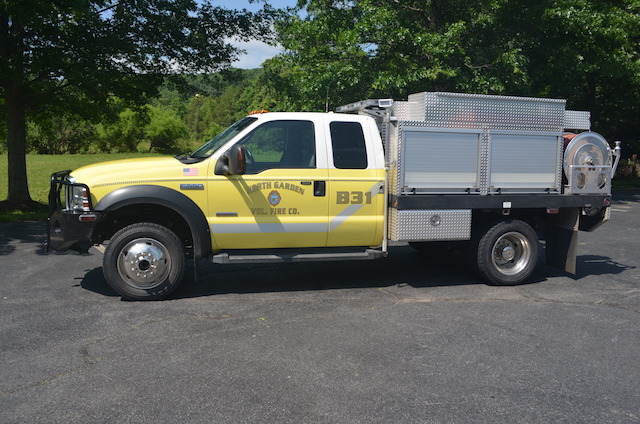
Brush 31
Brush / Wildland4x4 brush truck for wildland and grass fire response. Capable of accessing remote terrain, fields, and wooded areas where standard fire apparatus cannot operate.
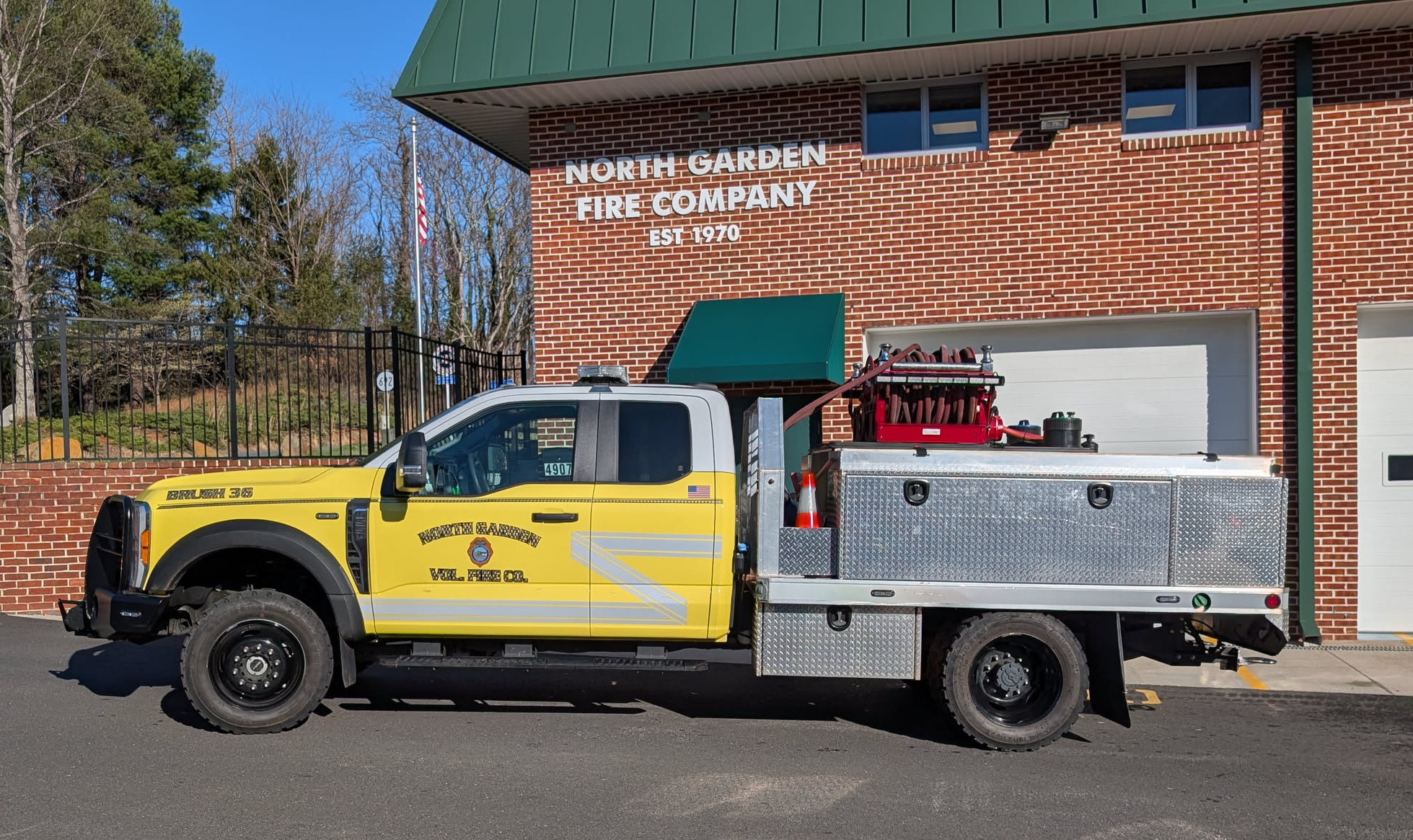
Brush 36
Brush / WildlandSecond brush unit providing additional wildland firefighting capability. Supports sustained operations at extended wildland incidents and assists neighboring stations on mutual aid.
Ambulances
Emergency medical transport units — patient care on scene and transport to area hospitals
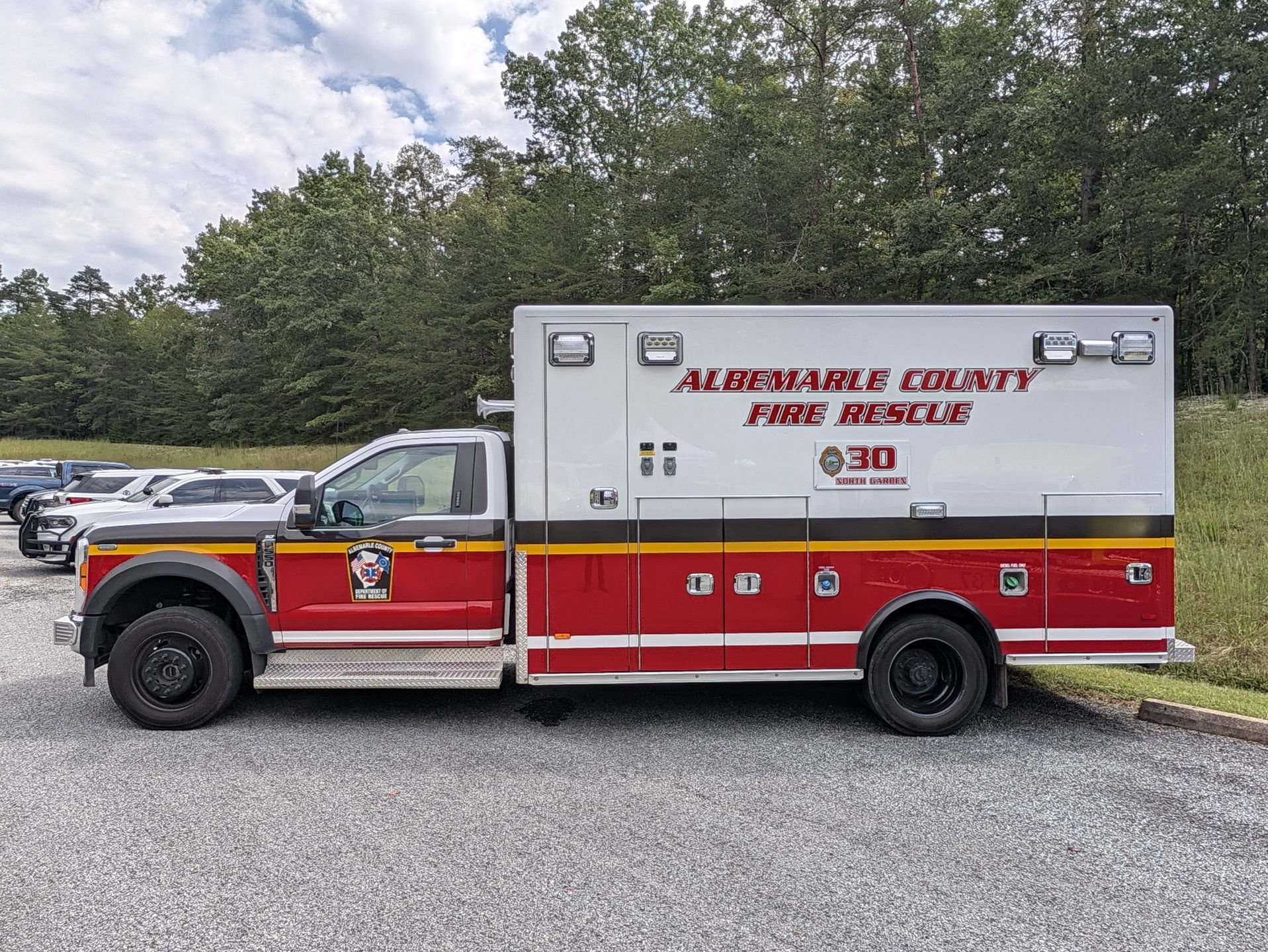
Medic 30
EMS TransportEmergency medical transport unit. Responds to medical calls, vehicle accidents, and rescue incidents throughout the Station 3 area, providing patient care on scene and transport to area hospitals. Also supports crew rehabilitation during extended fire-ground operations.
Utility Vehicles
Multi-role support and EMS non-transport units for first response and scene support
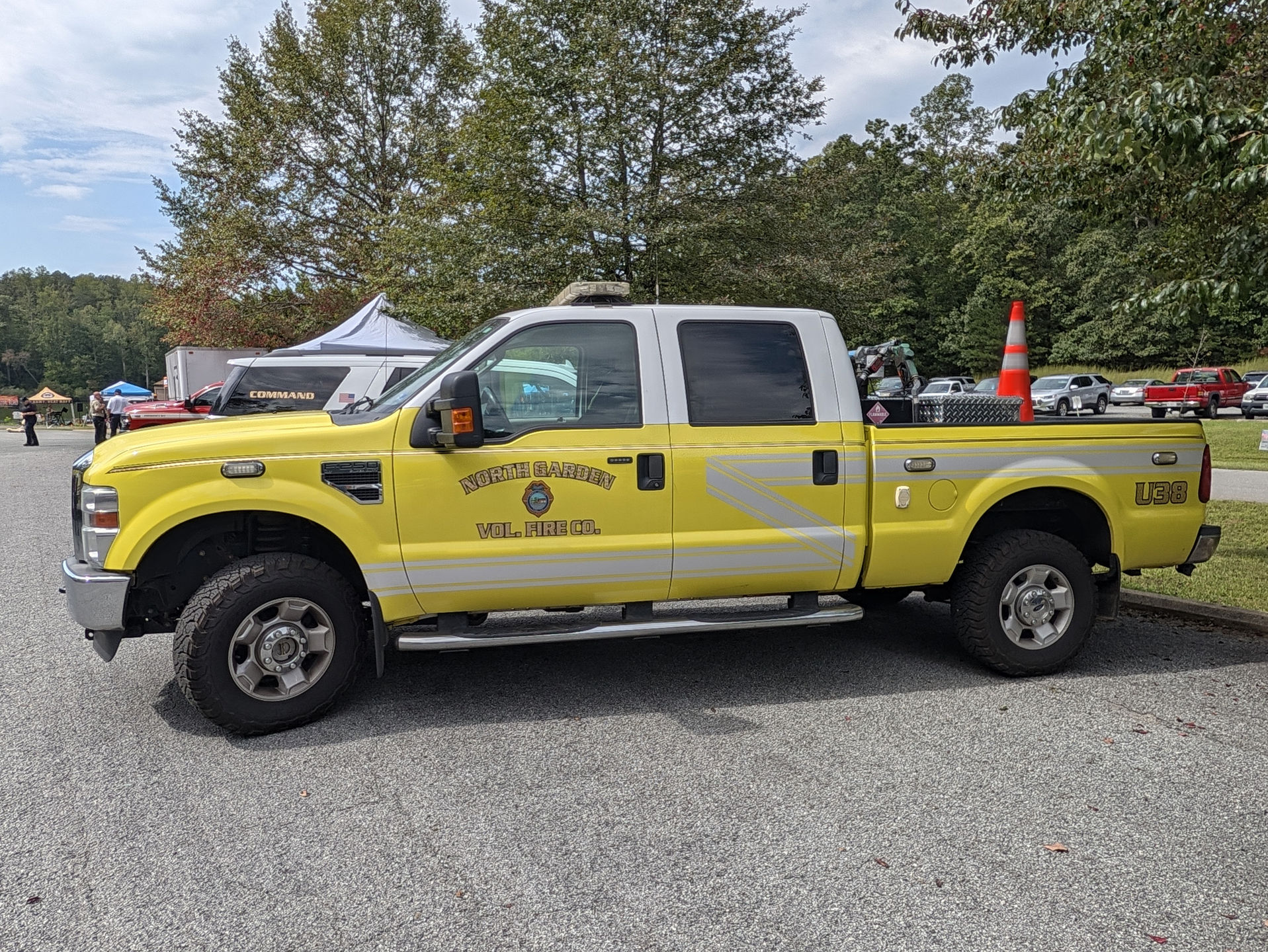
Utility 38
EMS Non-TransportEMS non-transport unit equipped to respond to medical emergencies, providing advanced life support capability and first response until a transport unit arrives on scene.
Command Vehicles
Officer and incident command units for scene management and EMS non-transport response
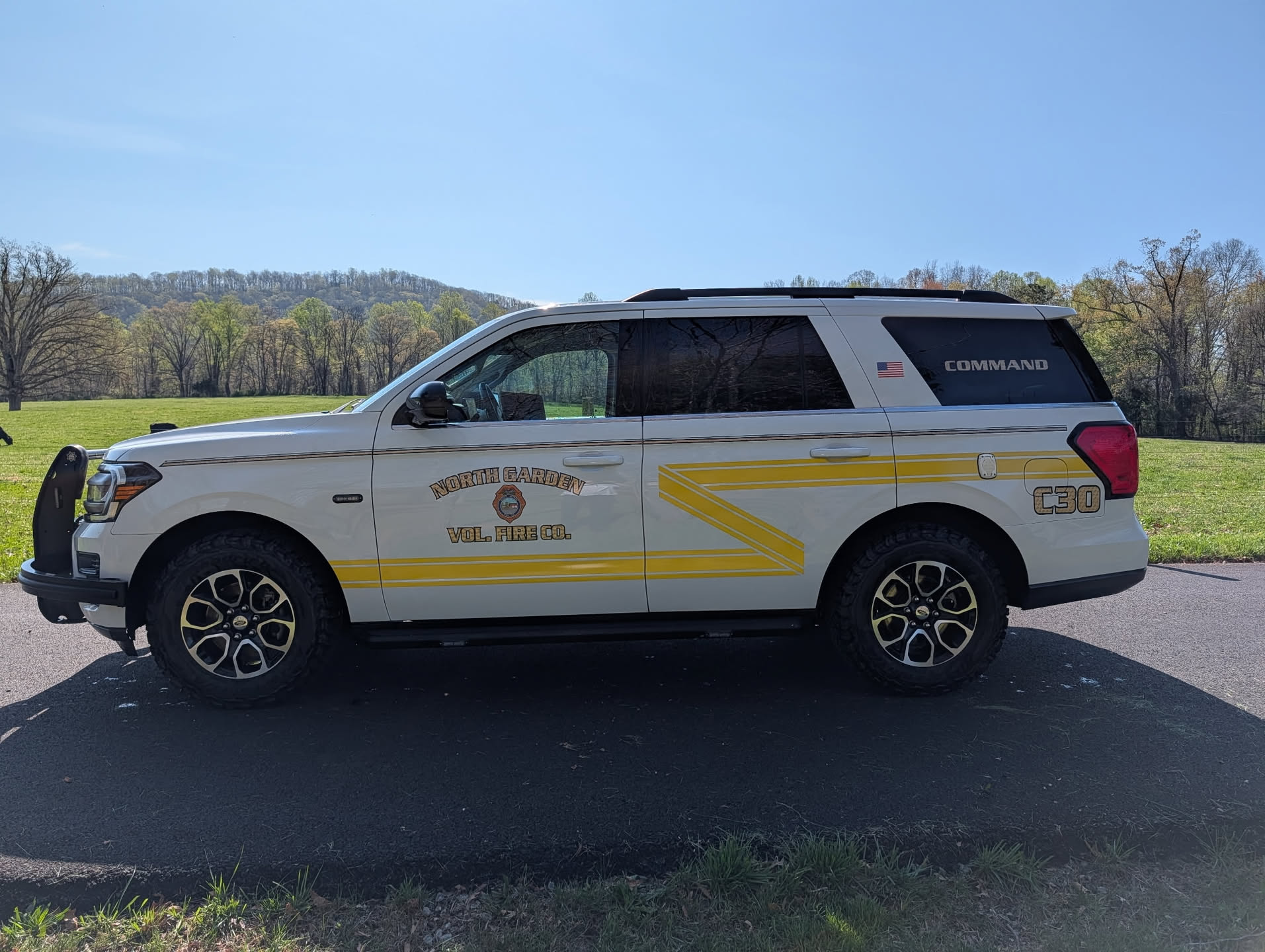
Car 30
EMS Non-TransportCommand and EMS non-transport vehicle. Responds to medical emergencies and multi-unit incidents to provide officer-level coordination and emergency medical support.
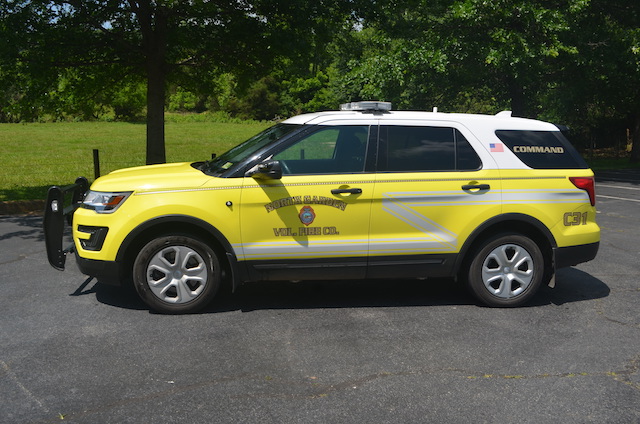
Car 31
EMS Non-TransportSecond command and EMS non-transport unit providing additional officer response capability for simultaneous incidents and large-scale emergency operations.